
Southern Spain has a rhythm that slows you down. It’s a place where the winding roads between Málaga and Ronda give you as much to absorb as the towns themselves, where Moorish shadows linger on sun‑warmed walls, whitewashed houses perch on hilltops, and every plaza offers a chance to watch life unfold.
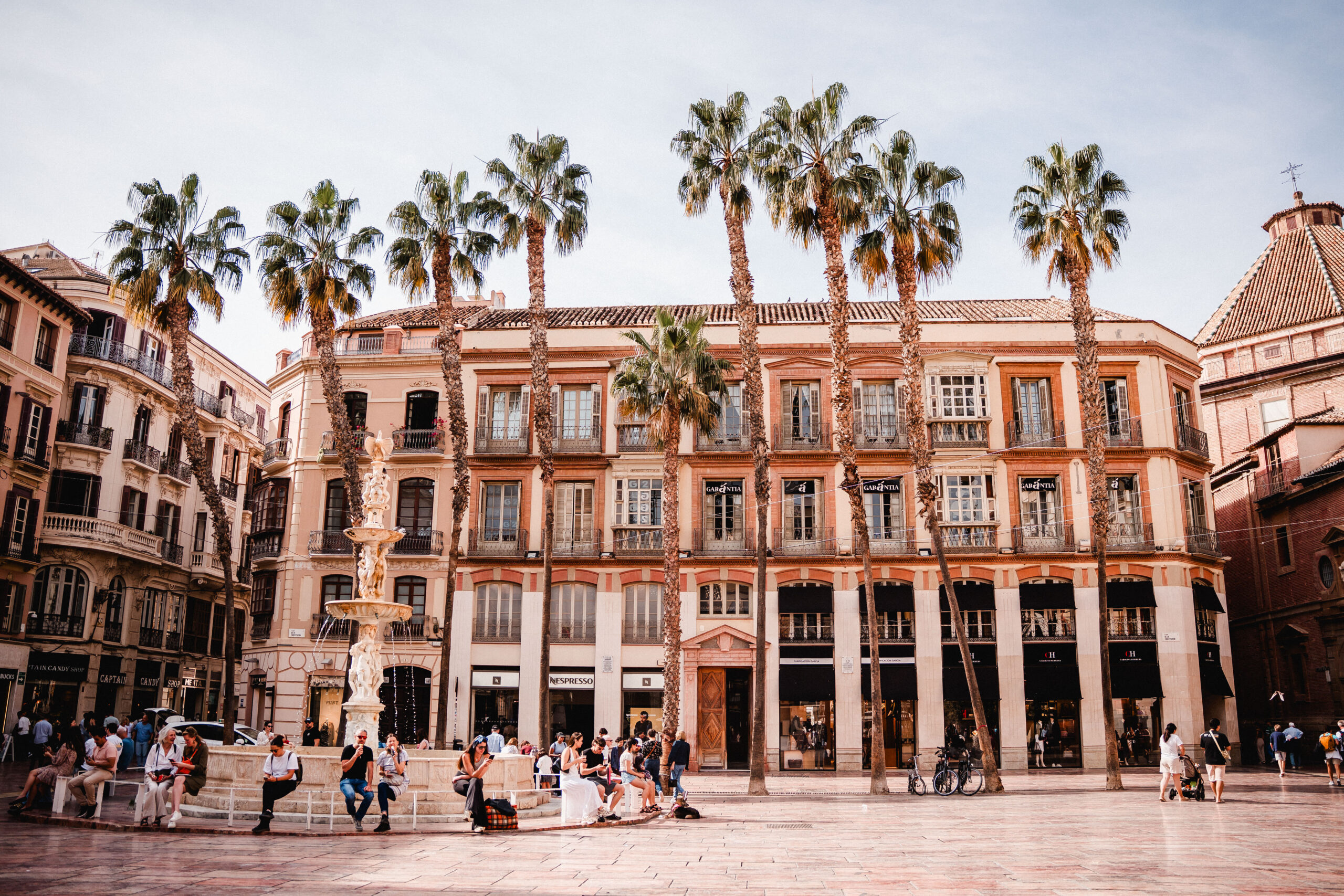
I arrived in Málaga early one morning, ducking into the old city before the day’s heat rose. Its streets blend layers of history: ancient Phoenician foundations beneath Roman stones, Moorish echoes in tilework and arches, and Andalusian life flowing through bustling markets and sunlit cafés. As I wandered around, I found myself drawn less to tourist sites and more to the everyday.
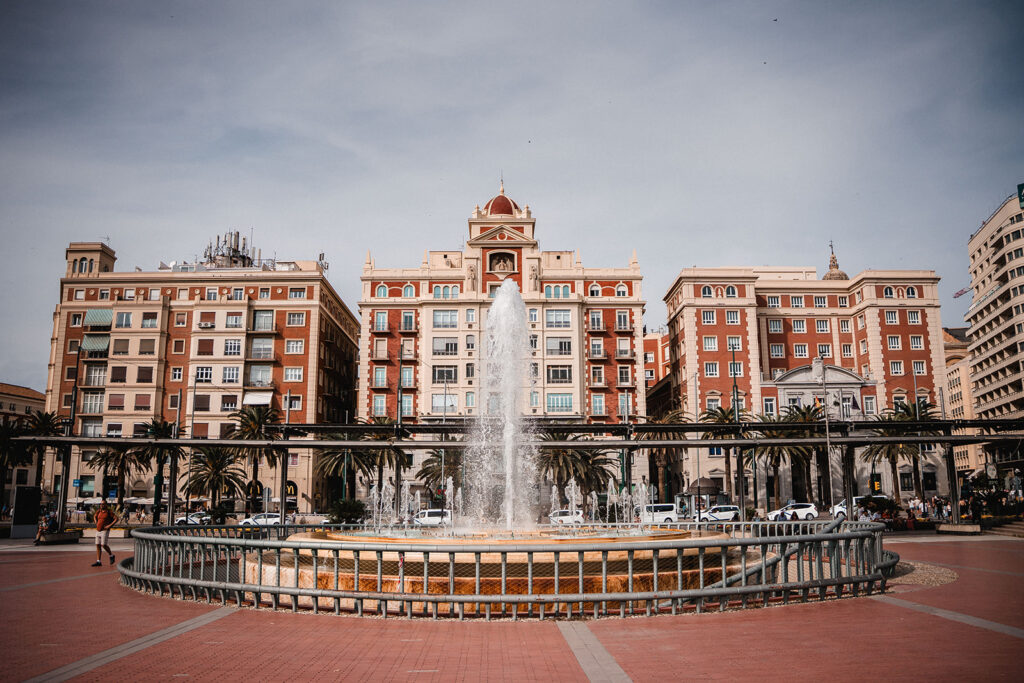
Málaga greeted me with movement, lots of it. The historic center was overflowing with visitors, streets pulsing with tour groups, rolling suitcases, and the unmistakable hum of a city in high season. At times, it felt less like arriving somewhere new and more like stepping into a shared global space: the same familiar department stores lining the streets, just like in many other big cities across Europe.
Travel isn’t only about chasing the unfamiliar. Sometimes, it’s about leaning into what feels known.
Craving caffeine, I found myself doing something I occasionally promise I won’t, something some might consider uncultured: stepping into a Starbucks. Not because it’s special, but because it’s predictable. There’s comfort in knowing exactly what to order, in the quiet reassurance that a caramel macchiato will taste exactly as expected. In moments like these, familiarity becomes grounding. Travel doesn’t always require discovery; sometimes it requires balance.
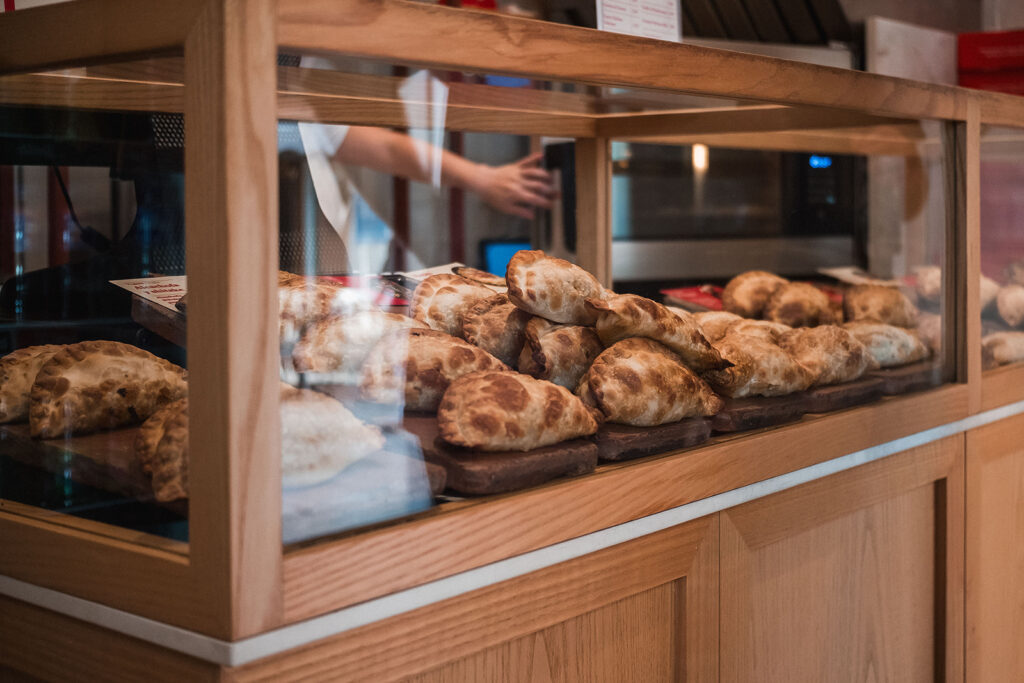
Wandering a few streets further, another craving took over. The last time I’d had an empanada was years ago in Chile, and suddenly the memory was impossible to ignore. I ducked into a small corner shop, where a woman behind the counter greeted me with warmth that instantly softened the noise of the city outside. She was kind and patient as she walked me through the fillings, explaining each option with care.
When I pointed to the empanada de carne picante, she paused, surprised. The spiciest one? I smiled. As an Ethiopian, I’m well acquainted with heat. Spice, after all, feels like home.
The empanada was everything I hoped for! It was rich, warming, and worth the search. But indulgence rarely stops at one. My eyes landed on another option: empanada de espinacas y queso feta. Spinach and feta, a combination I didn’t hesitate to try. She smiled again as she handed it over, amused by my enthusiasm.
It was a small exchange, lasting only minutes, but it stayed with me. In a city crowded with visitors, it was this quiet, human moment that I cherished. I was reminded, travel isn’t just about places. It’s about how comfort and curiosity coexist, often in the most ordinary of encounters.
With that, I continued strolling through the streets, letting the city guide me rather than following any plan. I passed the Picasso Museum, its presence unmistakable, and nearby souvenir shops overflowing with reproductions of his work. I saw endless prints splashed across mugs, scarves, cushions, and T-shirts. His legacy, it seemed, lived not only in galleries but in everyday objects designed to travel home in suitcases.
For a moment, I felt the familiar pull of wanting to take something tangible with me – a keepsake, a reminder. But I resisted the urge. Over time, I’ve learned that I’m less interested in accumulating objects than in collecting moments. The conversations, the flavors, the quiet observations. These are lighter to carry, and they stay with me far longer than anything wrapped in plastic or paper.
Málaga unfolded this way: not through landmarks alone, but through the rhythm of its streets and the small, human experiences tucked between them. With that, I let the city fade gently into the background, knowing that what I would take with me wouldn’t weigh down my bag, only my memory.
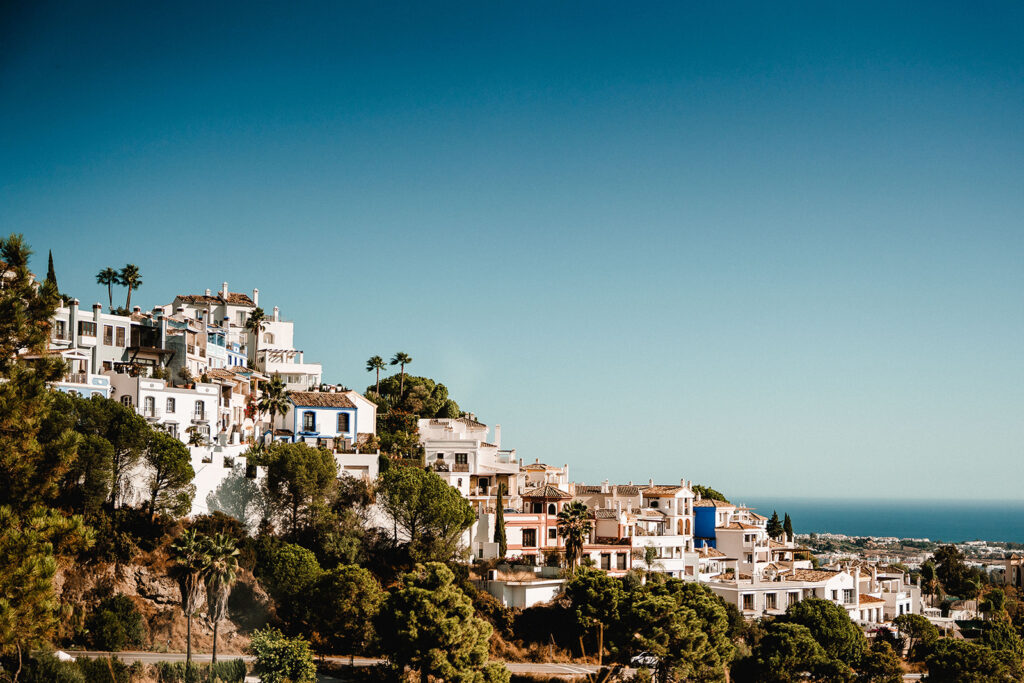
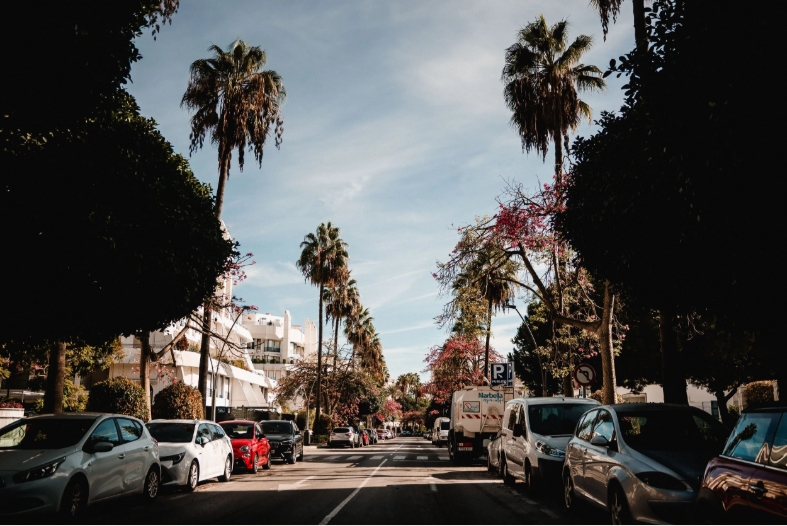
Marbella often arrives with a reputation already attached – one of luxury, exclusivity, and a polished lifestyle shaped by wealth. Driving into the city, that image is hard to ignore. Lush neighbourhoods unfold along the road, villas tucked behind gates and hedges, palm-lined streets hinting at a version of life far removed from the ordinary. Even as a passerby, it’s easy to sense how this reputation has taken hold.
Marbella looked postcard‑perfect: palms lining avenues that melted into beachside boulevards. But for all its glamour, I found my gaze wandering toward the people that inhabit it.
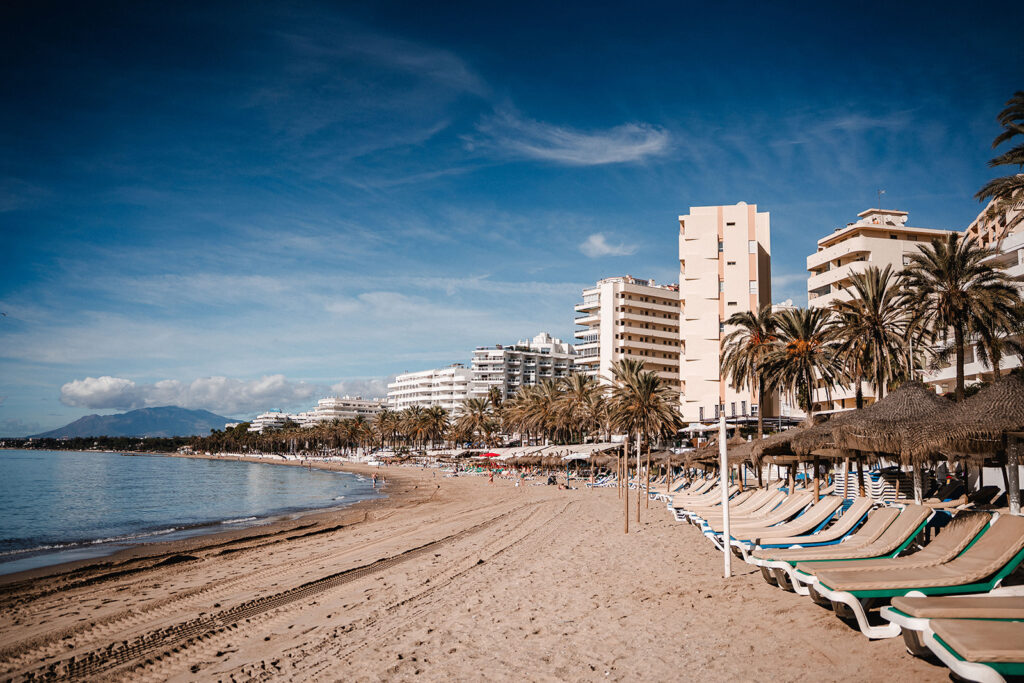
But impressions shift once you leave the car behind and step onto the promenade.
Running parallel to the beach, the promenade feels open and democratic. It’s a shared space where Marbella reveals a different rhythm. Here, the sea sets the pace. By midday, restaurants fill with the energy of lunch hour: plates arriving in quick succession, conversations overlapping, glasses catching the sunlight. There is movement and noise, but nothing rushed, as if time stretches a little longer beside the water.
Just beyond the cafés, the beach becomes a gathering place for families. Children dart between the playground and the shoreline, their laughter carried by the breeze. Parents sit nearby, watching closely while exchanging stories of their own. It’s a scene that feels familiar, almost universal, one that could belong to any coastal town, anywhere.
As someone merely passing through, this was the Marbella that stayed with me. Beyond the gated neighbourhoods and polished image, life along the promenade felt grounded and shared. It was here, among everyday routines and small moments by the sea, that the city felt most approachable, and less defined by its reputation, and more by the people who inhabit it, even if only for an afternoon.
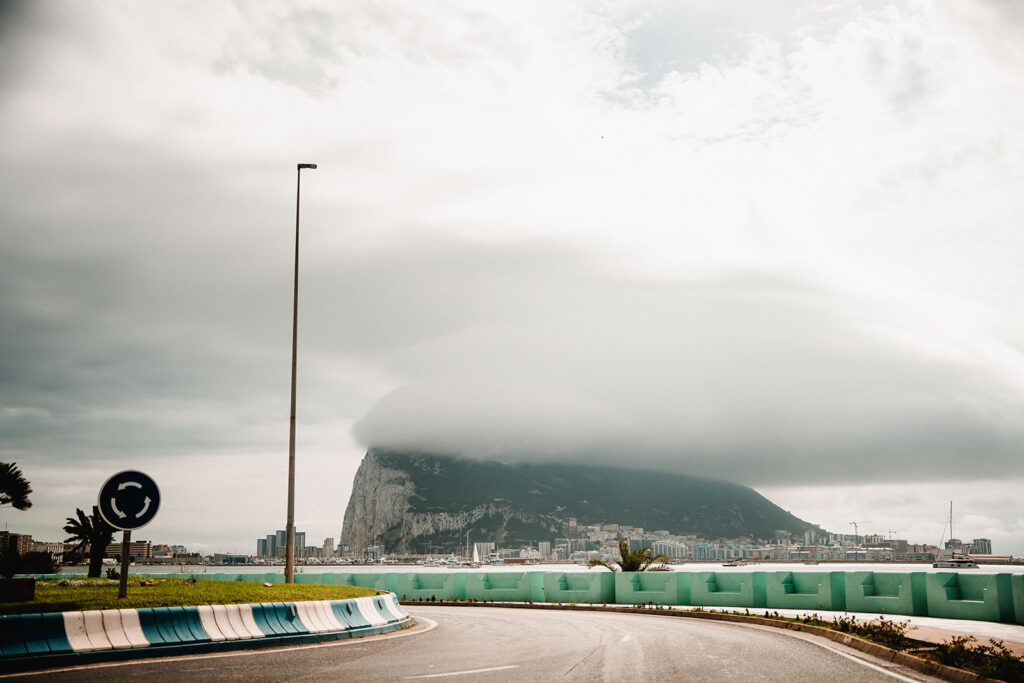
From afar, Gibraltar rose unexpectedly from the landscape, its iconic rock dominating the horizon. As I approached, I wasn’t quite sure what to expect. But once inside, the reality of the place unfolded quickly: buildings densely packed along the base of the mountain, climbing upward as if shaped by necessity as much as geography. Space here felt carefully negotiated.
The first challenge was practical, finding a place to park. Narrow streets and tight turns made me instantly grateful for the small rental car. After double-checking that I didn’t need British pounds to use the parking machine, it was time to explore on foot.
What struck me almost immediately was the sound of the place. English dominated the air – conversations, shop greetings, menus. I must admit, hearing it so suddenly felt strangely disorienting. After days in southern Spain, the linguistic shift was abrupt, a reminder of Gibraltar’s layered identity and its position at the meeting point of cultures.
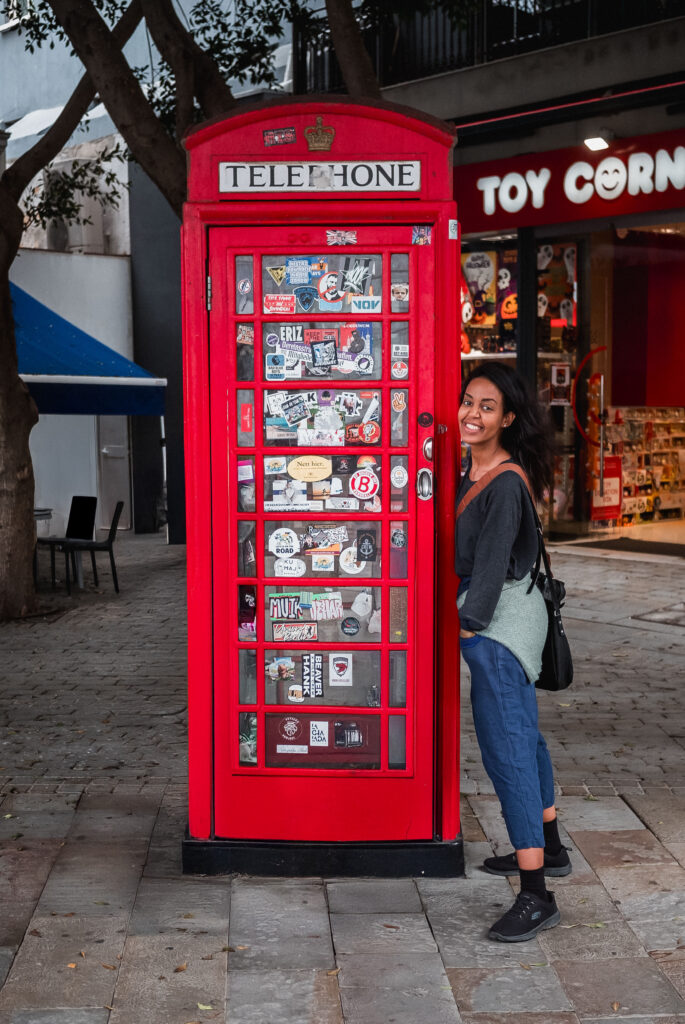
I wandered along streets lined with shops and restaurants, many tucked away into narrow side streets that invited detours. Familiar sights appeared unexpectedly, and I couldn’t pass up the chance to have my photo taken at a red telephone booth. It felt like a small, nostalgic moment that transported me back to a trip to London, years earlier.
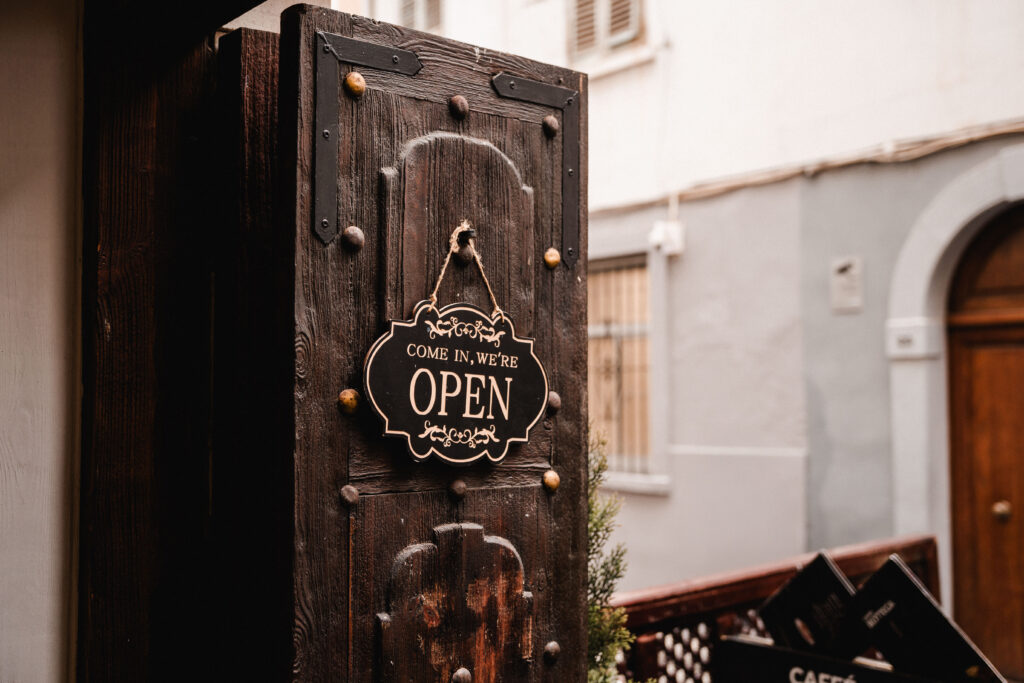
As the weather shifted and rain began to fall, I took refuge in a small Italian restaurant. Inside, it was warm and lively, packed with diners lingering over lunch. The owner kindly offered me a place at the bar while I waited for a table. From there, I watched the room fill with conversation – people talking, laughing, unhurried. No one seemed in a rush, despite the crowd and the wait.
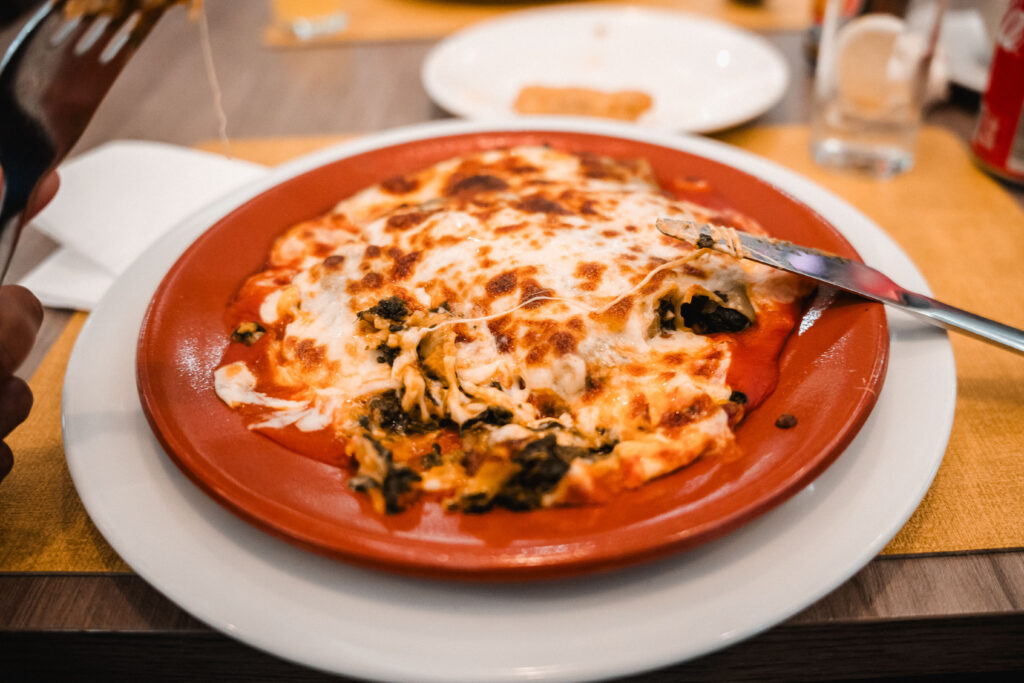
When my table was finally ready, the patience paid off. The atmosphere was welcoming, the staff attentive, and the food comforting. I ordered cannelloni, rolled pasta filled with spinach and cheese, baked much like a lasagna. Simple, familiar, and deeply satisfying.
Gibraltar revealed itself not through landmarks alone, but through contrasts: language shifts, tight spaces, unexpected familiarity, and small moments of warmth.
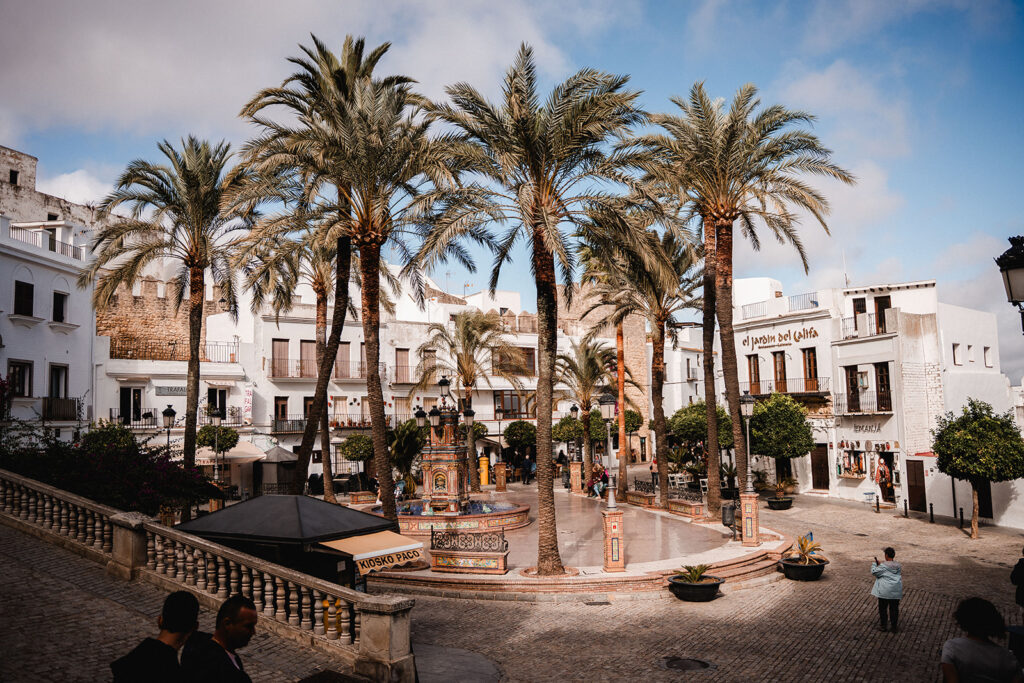
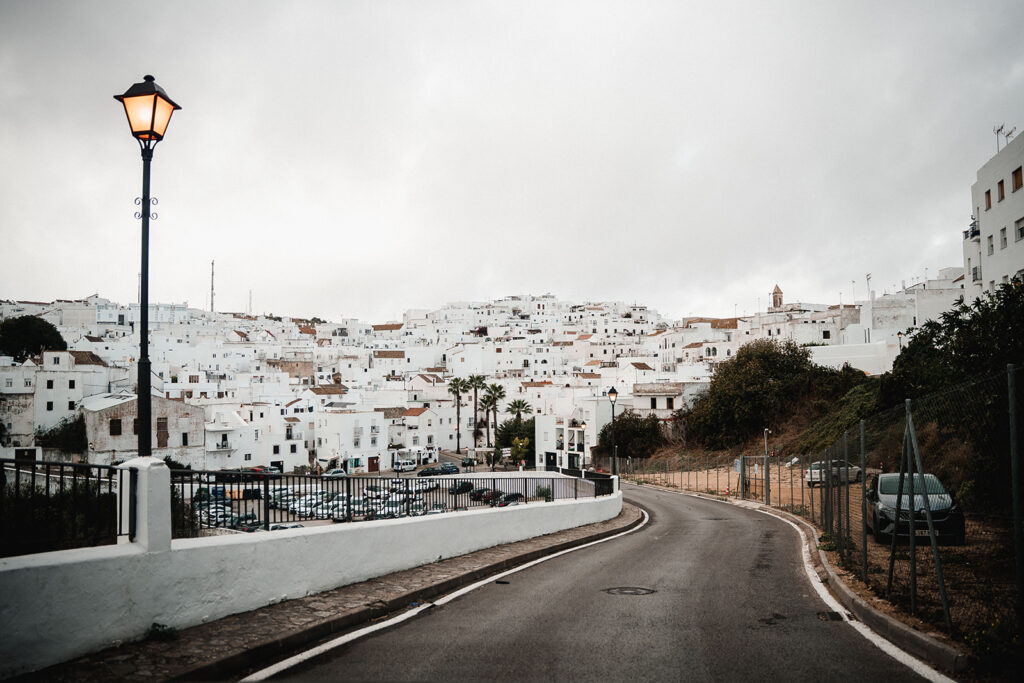
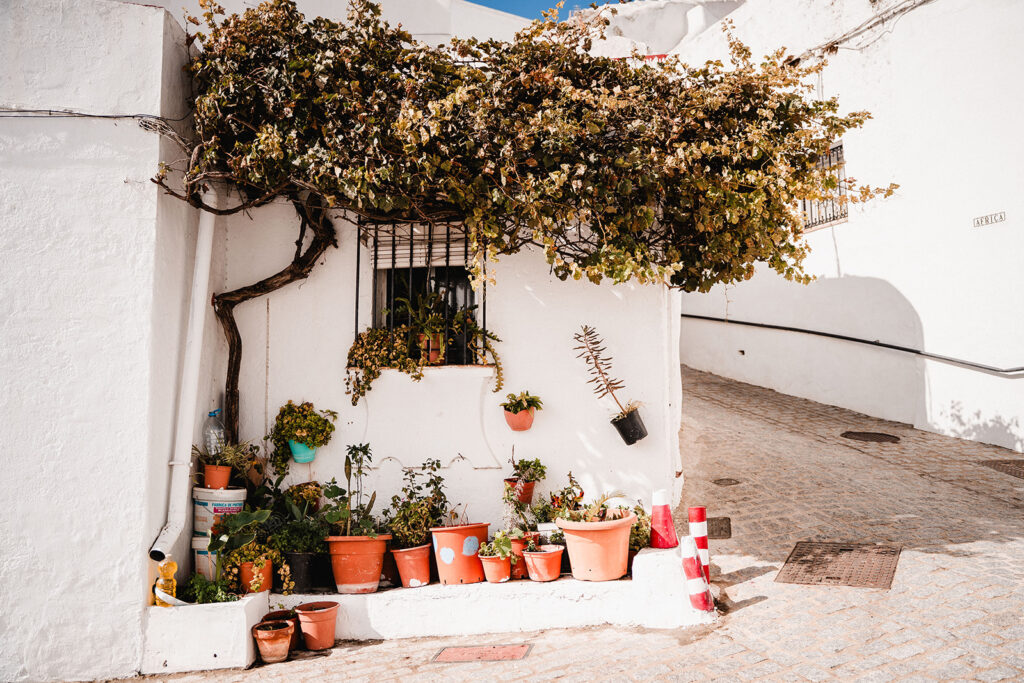
The next detour brought me to Vejer de la Frontera, an unexpected discovery. Perched atop its hill like a white crown against deep blue skies, this village paused the pace of the journey.
Vejer de la Frontera was unexpectedly quiet. The streets, which I would expect would be usually winding with the rhythm of village life, felt almost empty. I wondered if the overcast sky and brisk wind kept people indoors. The town’s whitewashed houses, narrow alleys, and steep stairways rose sharply against the muted light, creating a serene, almost meditative atmosphere.
Hunger led me to a small eatery specializing in North African-inspired cuisine, a reminder of the enduring cultural threads woven into Andalusia. I tried “dolma”, minced meat stuffed into a red bell pepper, a dish with roots in North African cooking, adapted here with local flavors. Each bite spoke of centuries of exchange: spices, preparation methods, and ingredients that traveled across the Strait of Gibraltar and settled into the local palate.
Vejer’s architecture, its tilework, and even the way streets twist and climb, reflect these historical connections. Moorish influence is evident not only in buildings but in daily life, as seen in food, in the patterns of the town, and in the cultural imprint that continues to shape Andalusia. Even in its quietness, Vejer tells stories of people and cultures meeting, blending, and leaving traces that can still be discovered today.
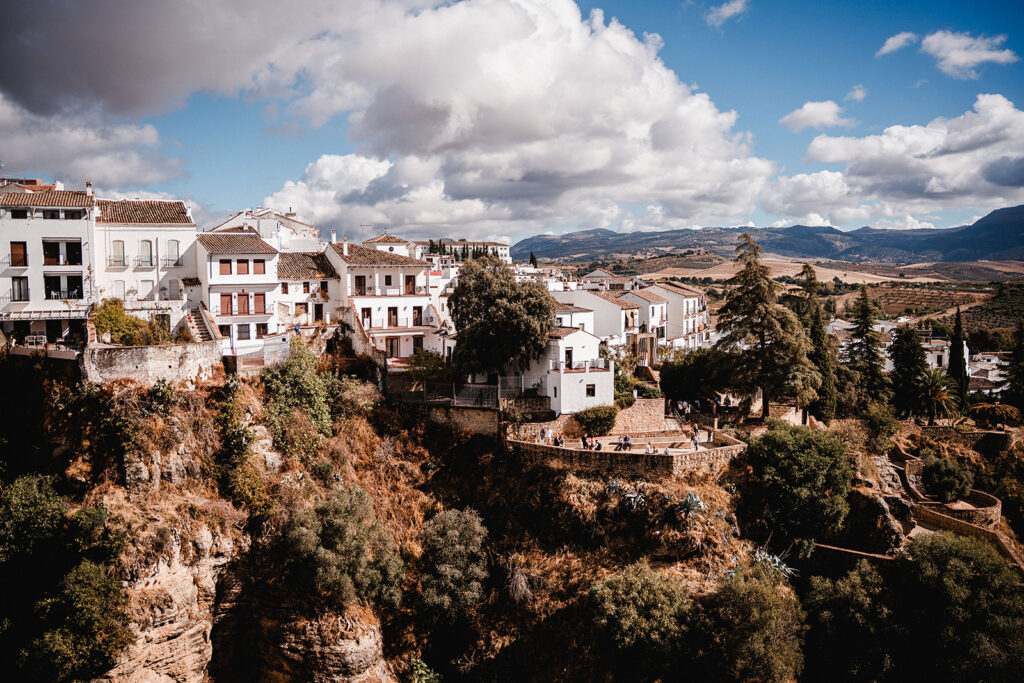
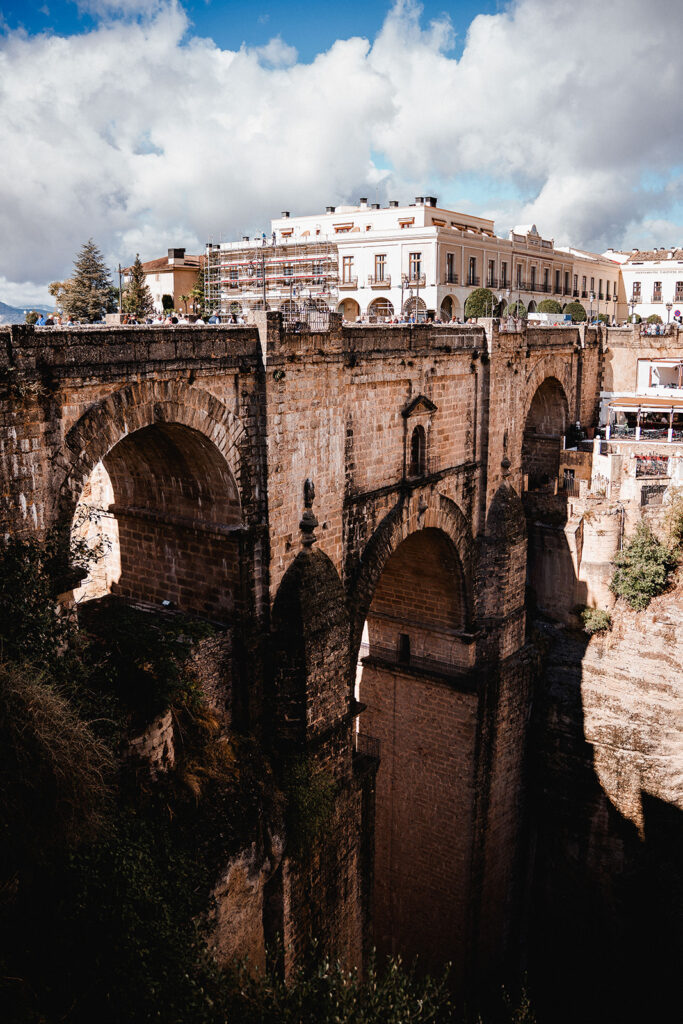
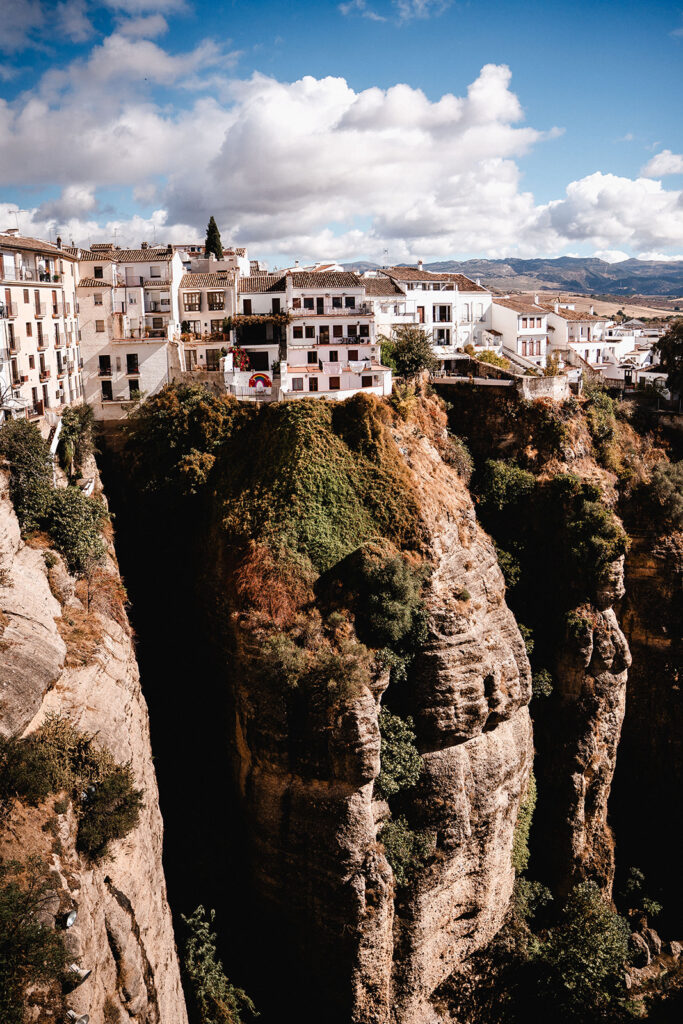
Finally, I another highlight of the trip was Ronda, the dramatic jewel set over the El Tajo gorge. Here, the landscape steals your breath before your mind can catch up. The cliffs rising like guardians of time, a bridge arching across a deep chasm, and terraces where photographers and poets alike seem compelled to linger.
Most visitors, myself included, are drawn first to the views. Standing on the Puente Nuevo bridge, the depth of the chasm below is dizzying; shadows stretch across the rock faces as the afternoon sun moves westward. From this vantage, you can see not only the natural majesty but also the layers of human history etched into the cliffs: terraces carved into the hillsides, and streets that wind tightly through the old town, following the contours of the landscape.
Walking along the rim, it’s impossible not to feel a connection between place and time. Ronda’s history, from Moorish rule to its place in Andalusian culture is palpable in every arch, every stone, every narrow alley leading toward a viewpoint. Even among the crowds of visitors snapping photos or pausing to admire the drop, the gorge itself dominates the experience, reminding you how the natural and human worlds intertwine.
Southern Spain taught me that travel isn’t just about ticking sites off a list. It’s about the slow accumulation of moments, particularly the quiet conversations with locals in café corners, detours that become highlights, and the small, everyday cultures that define a region. These are the stories that linger, and ones I hope to bring into my writing, photographs, and documentary work as I continue exploring the heart and soul of Europe.

Aida Glowik
Aida is an aspiring travel journalist focused on documentary storytelling through words, photography, and film.